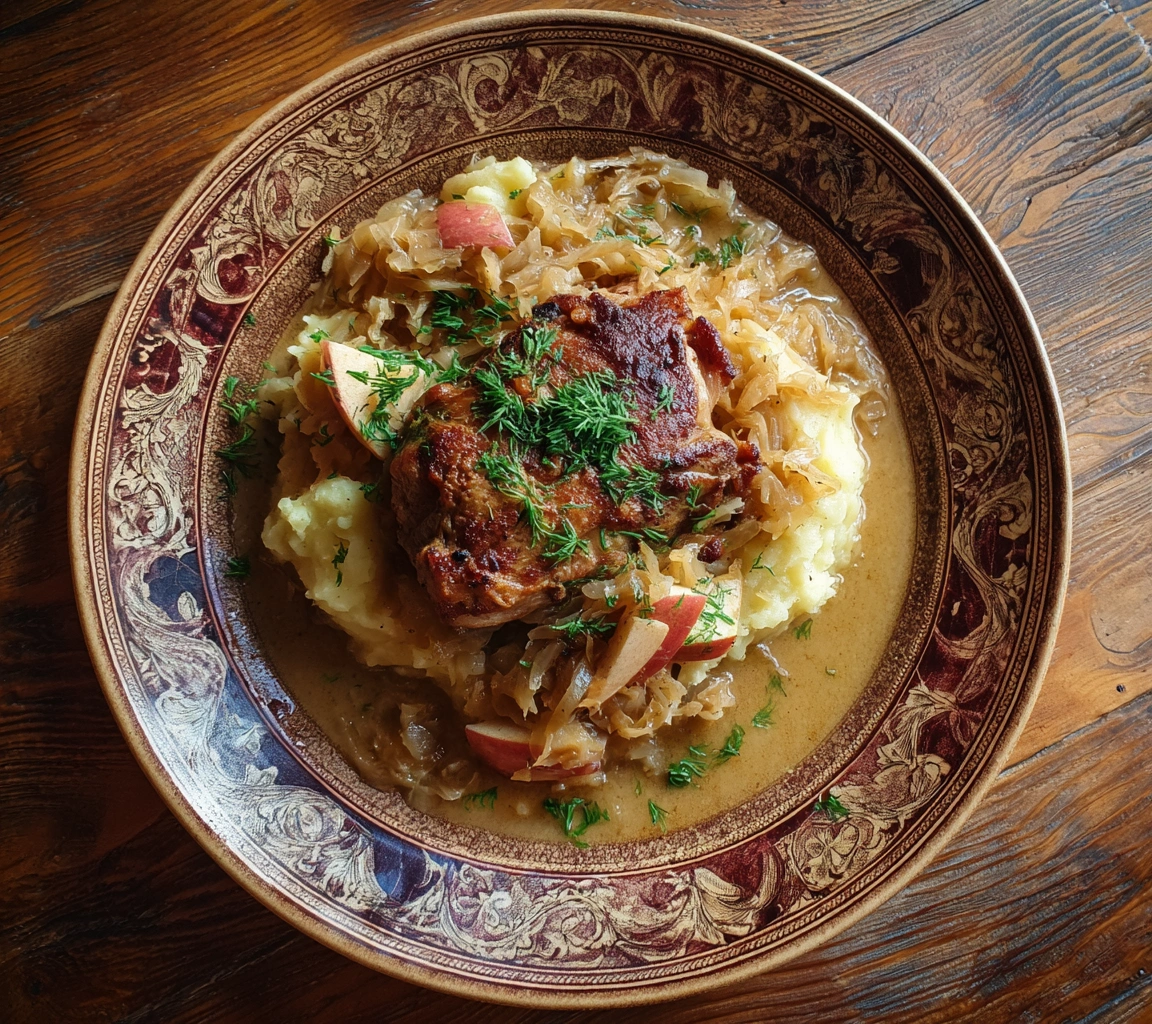
Mastering Classic German Pork Chops & Sauerkraut: The Art of Searing, Draining, and Perfect Doneness
When the chilly winds blow and the desire for hearty, soul-warming cuisine takes hold, few dishes deliver comfort quite like classic `german pork chops and sauerkraut`. This iconic meal isn't just food; it's a culinary hug, steeped in tradition and brimming with savory flavors. While seemingly straightforward, mastering this dish involves a few crucial techniques that elevate it from good to truly unforgettable: the perfect sear, meticulously drained sauerkraut, and achieving that ideal internal doneness. Forget bland and dry; prepare for juicy, tender pork infused with the sweet and tangy essence of apple-kissed sauerkraut.
This article will guide you through the essential steps, offering insights and tips to ensure your `german pork chops and sauerkraut` dish is a resounding success, whether it's for a cozy family dinner or a festive gathering.
The Foundation of Flavor: Selecting and Preparing Your Pork Chops
The journey to an exquisite plate of `german pork chops and sauerkraut` begins with the star of the show: the pork chop itself. Your choice and initial preparation will profoundly impact the final texture and juiciness of the dish.
Selecting the Perfect Cut: Bone-In for the Win
For this classic recipe, we strongly recommend opting for
center-cut pork chops with the bone still in. Why bone-in? The bone not only adds a deeper, richer flavor to the dish but also acts as a natural insulator, helping the meat cook more evenly and retain precious moisture. Thicker chops, ideally 1 to 1.5 inches thick, are also preferable. They allow for a beautiful, golden-brown sear on the exterior without overcooking the interior, resulting in a more tender and succulent bite. While boneless chops can be used for convenience, be prepared to adjust cooking times to prevent them from drying out quickly.
The Art of the Sear: Locking in Juices and Flavor
One of the most critical steps in preparing `german pork chops and sauerkraut` is searing the chops before they go into the oven. This isn't merely about achieving a pretty color; it's about building a foundational layer of flavor and texture.
*
Why Sear? Searing creates the Maillard reaction, a chemical process that browns the surface of the meat and develops complex, savory flavors that are impossible to achieve through baking alone. This crust also helps to "lock in" juices, ensuring your pork chops remain incredibly moist during the longer oven bake.
*
How to Sear: Pat your pork chops thoroughly dry with paper towels – moisture inhibits browning. Heat a large skillet (cast iron works wonderfully here) over medium-high heat with a swirl of olive oil. Once shimmering, add the chops, ensuring not to overcrowd the pan. Cook for approximately 3-5 minutes per side, until a deep golden-brown crust forms. You're not cooking them through here, just developing that outer layer.
Seasoning for Success: Simple Yet Impactful
While the sauerkraut and other ingredients will provide much of the dish's flavor, proper seasoning of the pork chops is essential. A generous sprinkling of
salt and freshly ground black pepper is often all that's needed to let the natural flavor of the pork shine. If you wish to add more depth, consider a light dusting of paprika, caraway seeds, or a touch of garlic powder. Remember, the goal is to complement, not overpower, the tangy kraut.
Mastering the Sauerkraut: Draining for Delight and Harmonious Flavors
The sauerkraut is more than just a sidekick in this dish; it's an equal partner, and its preparation is just as vital as that of the pork chops.
Why Draining is Non-Negotiable
Whether you use canned or bagged sauerkraut, the most crucial step is to
drain it extremely well. This cannot be stressed enough. If the sauerkraut isn't adequately drained, it will release excess liquid during baking, resulting in a watery, diluted dish that lacks the concentrated flavor and satisfying texture you're aiming for.
*
The Draining Process: Empty the sauerkraut into a colander set over a bowl. Use the back of a spoon, a plate, or even your hands to press down firmly, squeezing out as much liquid as possible. Continue this process until you feel confident that the majority of the liquid has been removed. Some chefs even give it a gentle rinse if they prefer a milder tang, but for a traditional `german pork chops and sauerkraut`, a thorough drain is usually sufficient. Plan on using at least 2 pounds of well-drained sauerkraut for this recipe to ensure a generous, flavorful base.
The Supporting Cast: Apples, Onions, and the Sweet Balance
Once drained, the sauerkraut gets elevated with a few simple, yet transformative, additions. These ingredients introduce layers of flavor that perfectly complement the tangy kraut and rich pork.
*
Onion: A small yellow or red onion, chopped, provides aromatic depth and a savory counterpoint.
*
Apple: A diced large red apple (such as Fuji or Honeycrisp) is a game-changer. Its natural sweetness and slight tartness balance the sauerkraut's acidity beautifully, creating a more mellow and complex flavor profile.
*
Brown Sugar: A half cup of brown sugar further enhances the sweetness and helps to caramelize the mixture during baking, adding richness and a lovely glaze.
*
Cinnamon: A dash of cinnamon, while optional, adds a warm, subtle spice that ties all the flavors together, reminiscent of traditional German cooking. This delightful combination of ingredients is truly the
Old-Fashioned Pork & Sauerkraut: The Apple, Onion & Brown Sugar Secret that elevates this dish to its classic status.
Mix these ingredients thoroughly with the drained sauerkraut in a large bowl before spreading them into your baking dish.
Achieving Perfect Doneness and Flavor Harmony in the Oven
With your pork chops seared and your sauerkraut mixture prepped, it's time for the oven to work its magic, bringing all the flavors together into a cohesive, comforting masterpiece.
Oven Roasting for Tender Perfection
Preheat your oven to 350°F (175°C). In a 9x13-inch baking dish, spread the prepared sauerkraut, apple, onion, and brown sugar mixture evenly across the bottom. Nest the seared pork chops directly into the sauerkraut. This allows the pork to slowly cook and absorb the wonderful flavors from the kraut, while the kraut benefits from the pork's rendered juices.
The beauty of oven roasting is its ability to cook the dish gently and evenly, allowing the flavors to meld and deepen over time. This hands-off approach makes for an
Easy German Pork Chops & Sauerkraut: One Hour Hearty Comfort Food that's perfect for a weeknight.
The Critical Temperature Check: Ensuring Perfect Doneness
For pork chops, safety and tenderness go hand-in-hand. The best way to ensure your pork chops are perfectly cooked – juicy and safe to eat – is by using a reliable meat thermometer.
*
Target Temperature: The internal temperature of the pork chops should reach
145°F (63°C).
*
Where to Measure: Insert the thermometer into the thickest part of the chop, being careful not to touch the bone, as the bone will give an artificially high reading.
*
Total Cooking Time: Typically, the dish will bake for approximately 55-60 minutes after the initial searing, but always defer to the meat thermometer. Once it hits 145°F, it's done. Don't overcook, or your chops will become dry and tough.
Resting Your Chops: The Final Touch
Once the pork chops reach the target temperature, remove the baking dish from the oven. Before slicing and serving, it's crucial to let the chops
rest for 5-10 minutes. This resting period allows the juices within the meat to redistribute, resulting in a more tender and flavorful chop. You can loosely tent the dish with foil during this time.
Elevating Your German Pork Chops & Sauerkraut Experience
With your perfectly cooked `german pork chops and sauerkraut` ready, consider how to best present and enjoy this classic meal.
Ideal Pairings and Sides
This hearty dish shines with a variety of accompaniments that complement its robust flavors.
*
Mashed Potatoes: Creamy mashed potatoes are a quintessential pairing, providing a soft, rich base to absorb the delicious juices and tangy kraut.
*
Roasted Vegetables: Root vegetables like carrots, parsnips, or sweet potatoes, roasted until tender and slightly caramelized, add sweetness and textural contrast.
*
Potato Salad or Baked Beans: For a more traditional American-German diner feel, potato salad or baked beans can be excellent choices.
*
Crusty Bread: Don't forget a good crusty bread to soak up every last bit of the savory sauce.
Wine & Beverage Recommendations
For a truly authentic experience, pair your `german pork chops and sauerkraut` with a beverage that enhances its flavors.
*
Wine: A crisp, dry
Chardonnay is an excellent choice, its acidity cutting through the richness of the pork. Other fantastic options include a dry
Riesling (a classic German pairing),
Pinot Blanc, or even a light-bodied
Pinot Noir if you prefer red.
*
Beer: German beers are a natural fit. A crisp German lager, a malty Märzen, or even a robust Oktoberfest beer will complement the dish beautifully.
Tips for Leftovers and Make-Ahead
This dish is often even better the next day as the flavors have more time to meld. Store any leftovers in an airtight container in the refrigerator for up to 3-4 days. Reheat gently in the oven or microwave. You can also prepare the sauerkraut mixture in advance, storing it in the fridge until you're ready to sear and bake the chops, making meal prep a breeze.
Embrace the Comfort: Your Classic German Pork Chops Await
From the careful selection of bone-in chops to the art of the perfect sear, the meticulous draining of the sauerkraut, and the crucial temperature check, every step contributes to a dish that is deeply satisfying and bursting with flavor. Classic `german pork chops and sauerkraut` is more than just a meal; it’s a testament to simple ingredients prepared with thoughtful technique, yielding a taste of tradition that warms the soul. So, gather your ingredients, follow these steps, and prepare to delight in a hearty, tender, and incredibly delicious culinary journey that will undoubtedly become a treasured family favorite. Guten Appetit!