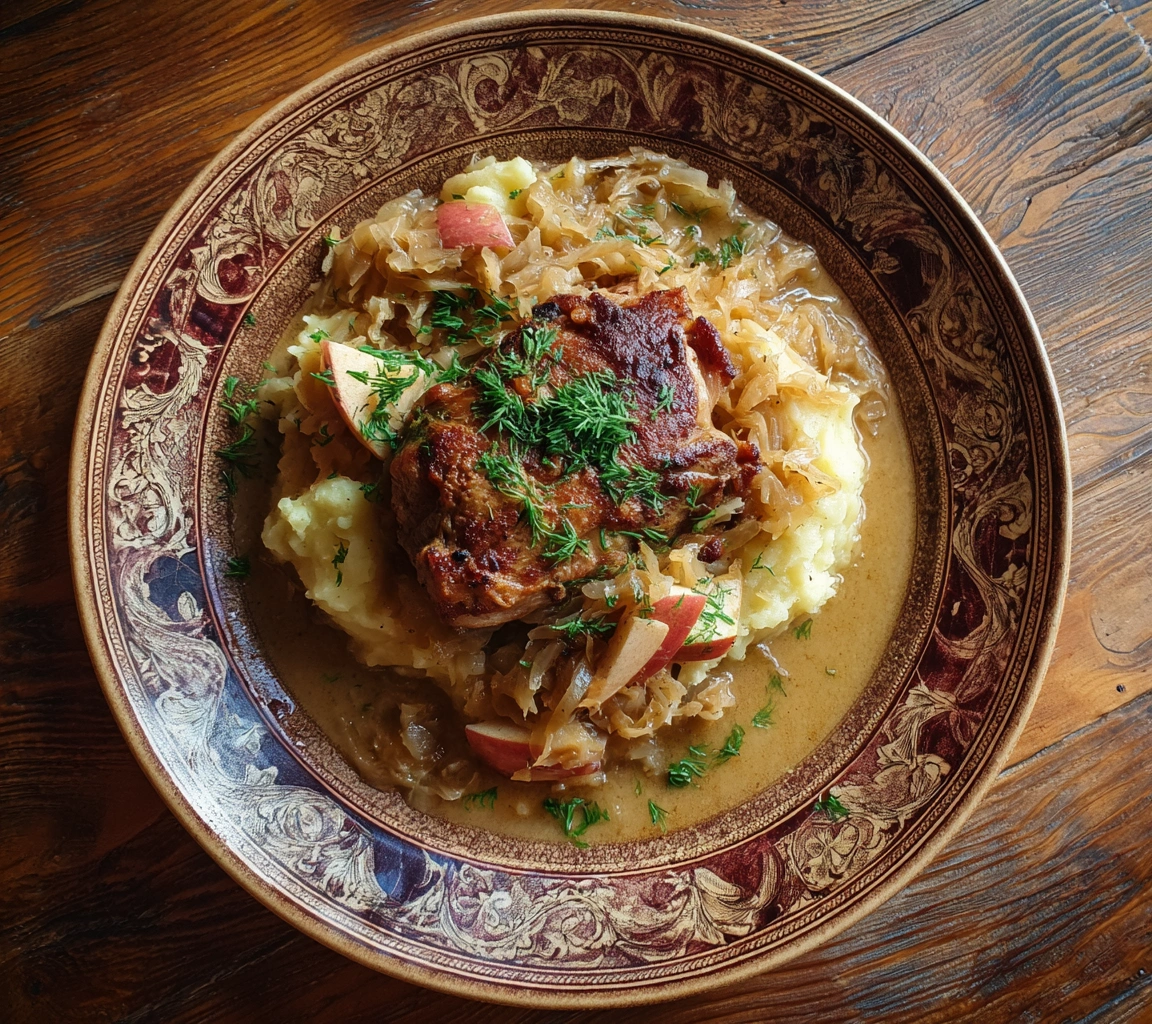
There's a reason some recipes stand the test of time, passing from generation to generation, becoming synonymous with comfort, warmth, and home. Among these culinary treasures, German pork chops and sauerkraut holds a special place. It’s a dish that evokes images of cozy kitchens, hearty appetites, and the simple joy of a well-prepared meal. But what if we told you there's a secret trio of ingredients – apple, onion, and brown sugar – that elevates this classic from merely delicious to utterly unforgettable? This isn't just any pork and sauerkraut; it's the old-fashioned kind, the one that whispers of tradition while offering a surprising depth of flavor that will warm you from the inside out.
Far from being a complicated affair, this beloved German staple is remarkably straightforward to prepare, making it a perfect candidate for a weeknight dinner or a comforting weekend feast. Whether you're battling a cold winter's chill or simply craving a taste of authentic, soulful cooking, our guide to mastering this old-fashioned pork and sauerkraut dish will ensure success. We'll delve into the nuances that make all the difference, from selecting the right cut of pork to transforming humble sauerkraut into a vibrant, savory-sweet counterpoint. Get ready to discover your new favorite Easy German Pork Chops & Sauerkraut: One Hour Hearty Comfort Food.
The Heart of the Meal: Perfecting Your German Pork Chops
The success of any great german pork chops and sauerkraut dish hinges on the quality and preparation of the pork itself. While many variations exist, a few key choices will ensure your chops are tender, juicy, and packed with flavor.
Selecting the Ideal Pork Chop
- Bone-In vs. Boneless: For an truly old-fashioned taste and superior moisture retention, we highly recommend using bone-in center-cut pork chops. The bone acts as a natural insulator, helping the meat cook more evenly and preventing it from drying out. While boneless chops can be used, bone-in versions consistently yield a more tender and flavorful result.
- Thickness Matters: Aim for thicker chops, ideally around 1 to 1.5 inches. Thicker cuts are more forgiving during cooking, allowing for a beautiful sear on the exterior while remaining succulent within. If your chops are thinner, simply adjust cooking times accordingly to prevent overcooking.
- Quality Over Quantity: Regardless of whether you choose center-cut, loin, or rib chops, prioritize quality. Look for chops with good marbling (small flecks of fat within the meat), as this contributes significantly to flavor and tenderness.
The Essential Searing Step
Before your pork chops ever meet the sauerkraut, a crucial step awaits: the sear. Many home cooks skip this, but it's a fundamental technique for locking in juices and developing rich, complex flavors. Searing the chops prior to baking creates a beautiful golden-brown crust, adding a layer of texture and depth that simply can't be achieved by baking alone. Use a large skillet over medium-high heat with a touch of olive oil, browning each side for about 3-5 minutes until deeply caramelized.
Seasoning for Subtlety and Depth
While some recipes call for elaborate spice blends, the beauty of traditional German pork chops and sauerkraut lies in its simplicity. For the chops themselves, a generous seasoning of only salt and freshly ground black pepper is often all you need. This minimalist approach allows the natural flavor of the pork to shine, beautifully complementing the tangy sauerkraut and the sweet, aromatic additions. However, feel free to experiment with a pinch of garlic powder, paprika, or caraway seeds if you wish to add another dimension to your seasoning blend. For more on this, check out our insights on Classic German Pork Chops & Sauerkraut: Searing, Draining, & Perfect Doneness.
Unlocking Flavor: The Sauerkraut & Our Sweet Secret Blend
Sauerkraut is, without a doubt, the star of this comforting pork chops and sauerkraut dish. Its distinctive tang and texture are what define the meal, but with a few simple additions, it transforms from a simple fermented cabbage to a truly exceptional flavor component.
The Sauerkraut Essentials: Draining is Key
Whether you opt for canned or bagged sauerkraut, the brand matters less than one critical preparation step: it must be drained extremely well. Excess moisture will dilute the flavors of your dish and result in a watery sauce rather than a rich, flavorful one. To achieve optimal drainage, we recommend pressing the sauerkraut in a colander, perhaps even giving it a gentle squeeze in clean kitchen towels, to remove as much liquid as possible. Some cooks even rinse their sauerkraut to mellow its acidity, though traditionalists often prefer to simply drain it thoroughly to maintain its robust character.
The Apple, Onion & Brown Sugar Magic
Herein lies the true secret to our old-fashioned pork and sauerkraut recipe: the harmonious blend of apple, onion, and brown sugar. These humble ingredients work in concert to balance the sauerkraut's tartness, adding layers of sweetness, aroma, and complexity that elevate the entire dish.
- Onion: A small chopped yellow or red onion provides an aromatic base, contributing a savory depth that pairs perfectly with both pork and kraut.
- Apple: Diced apple (a firm, slightly tart variety like Granny Smith or Honeycrisp works wonderfully) introduces a natural sweetness and a subtle fruitiness, cutting through the richness of the pork and the tang of the sauerkraut. As it bakes, the apple softens and almost melts into the kraut, releasing its delicious juices.
- Brown Sugar: A generous half-cup of brown sugar is the game-changer. It caramelizes slightly during baking, creating a rich, molasses-like sweetness that beautifully counteracts the sauerkraut's acidity and enhances the savory notes of the pork. For an extra touch of warmth, a dash of cinnamon can also be added, echoing flavors found in many traditional German apple preparations.
Quantity Matters: Don't Skimp on the Kraut
Remember, the sauerkraut isn't just a side; it's a co-star. For a family-sized meal, plan on at least 2 pounds of drained sauerkraut. This ensures there's enough of that delicious, flavorful mixture to envelop the pork chops and provide ample servings.
Bringing It All Together: Baking to Perfection
Once your pork chops are seared and your sauerkraut mixture is perfectly balanced with our secret ingredients, the oven takes over, allowing the flavors to meld and deepen into a truly comforting feast.
The Baking Process
Preheat your oven to 350°F (175°C). After searing, arrange your pork chops in a 9x13 inch baking dish. Then, spoon the prepared sauerkraut mixture generously over and around the chops, ensuring they are nestled comfortably. This allows the pork to absorb the delicious flavors of the kraut while keeping it moist. The beauty of this dish is its hands-off nature once it's in the oven, allowing you to relax while the magic happens.
Achieving Perfect Doneness
Pork chops can quickly go from tender to tough if overcooked, so monitoring the internal temperature is key to success. The best way to judge doneness is with a meat thermometer. Insert the thermometer into the thickest part of the chop, avoiding the bone, until it reaches an internal temperature of 145°F (63°C). This temperature ensures the pork is safe to eat while remaining wonderfully juicy and tender. Depending on the thickness of your chops and your oven, this typically takes about 50-60 minutes, bringing the total prep-to-plate time to just over an hour. Once removed from the oven, allow the chops to rest for 5-10 minutes before serving; this allows the juices to redistribute, ensuring maximum succulence.
Elevating Your Old-Fashioned Feast: Pairing and Sides
A truly complete meal involves more than just the main dish. Thoughtful side dishes and beverage pairings can enhance the experience of your old-fashioned pork and sauerkraut, turning a simple meal into a memorable feast.
Classic Side Dishes for German Pork Chops and Sauerkraut
The rich, savory, and tangy profile of this dish pairs wonderfully with a variety of sides. Consider:
- Creamy Mashed Potatoes: An absolute classic pairing. The potatoes soak up the delicious juices and kraut flavors, providing a comforting and satisfying element.
- Baked Beans: Their sweet and smoky notes offer a delightful contrast to the tart sauerkraut.
- Sweet Potatoes: Whether roasted, mashed, or in a casserole, sweet potatoes bring an earthy sweetness that complements the dish beautifully.
- Roasted Vegetables: Simple roasted carrots, Brussels sprouts, or green beans add freshness and a touch of earthiness.
- Potato Salad: For a more traditional German feel, a warm or cold German potato salad, often made with vinegar and bacon, is an excellent choice.
The Perfect Wine Pairing
To complement the richness of the pork and the acidity of the sauerkraut, a crisp, aromatic white wine is an ideal choice. Chardonnay, especially one that is unoaked or lightly oaked, can be a fantastic match, offering a balance of fruit and acidity. Other excellent options include a dry Riesling, Pinot Gris, or Sauvignon Blanc, all of which will cut through the richness and cleanse the palate without overwhelming the dish's nuanced flavors.
This german pork chops and sauerkraut recipe isn't just about feeding your body; it's about nourishing your soul. It’s about creating a hearty meal that brings people together, offering comfort and a taste of timeless tradition.
There's an undeniable magic in creating an old-fashioned pork and sauerkraut dish, especially when you unlock the secret of apple, onion, and brown sugar. It transforms a humble recipe into a symphony of flavors – tender pork, tangy kraut, and the surprising sweetness that ties it all together. This isn't just a meal; it's a culinary journey back to simpler times, a delicious testament to the power of classic comfort food. So, gather your ingredients, savor the aromas that fill your kitchen, and prepare to enjoy a truly unforgettable meal that will quickly become a cherished family favorite. We encourage you to try this recipe and share the warmth and flavor it brings to your table.
